How to Clean and Lube a Scooter Chain or Belt
Chain or belt maintenance is often skipped by Malaysian riders, but it's key to performance and safety. This guide walks you through a simple, budget-friendly DIY routine that'll extend your drivetrain's life.
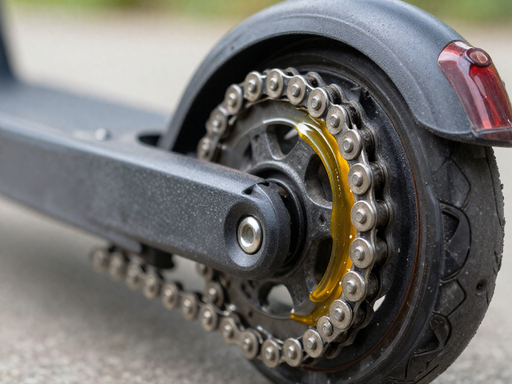
Tools and Materials You’ll Need
Having everything ready before you start makes the job quicker and less messy. Here’s what to prepare:
- Chain cleaner or mild degreaser: A formulation safe for O-rings and scooter finishes is best. Steer clear of aggressive solvents like petrol or kerosene.
- Soft-bristle brush or old toothbrush: This will help you scrub off stubborn dirt without damaging the chain or belt.
- Clean rags or microfibre cloths: You’ll need these for wiping away old lubricant and grime, and for drying components.
- Chain lubricant (avoid belt dressings): Use a spray or drip lube specifically made for motorcycle chains. For belt-driven scooters, skip this step entirely and never use belt dressing.
- Protective gloves: Keep your hands clean and protected from chemicals and sharp edges.
- Rear stand or centre stand: Your scooter must be stable and secure so the rear wheel can spin freely. If your scooter has a centre stand, that’s usually enough; otherwise a rear paddock stand is essential.
Safety Precautions Before You Start
Before you grab any tools, take a few simple precautions to keep yourself safe. Park your scooter on a flat, stable surface—tarmac or a level garage floor works best—and make sure it’s securely on the centre stand. If your scooter has just been ridden, give the engine and chain at least 15 to 20 minutes to cool down; a hot chain can cause burns, and a warm engine makes the work area uncomfortable in Malaysia’s heat.
Protect your hands with a pair of nitrile gloves. They’ll shield your skin from grease, degreaser, and any sharp edges on the chain or sprocket. Avoid latex if you’re sensitive, as some cleaning chemicals can degrade it. Also, tie back long hair, remove dangling jewellery, and wear fitting clothes—nothing that can get caught in the wheel or chain. A sudden gust of wind from a nearby fan or an accidental throttle twist (even with the engine off, the wheel can spin) can lead to pinch injuries, so stay mindful of moving parts.
Step-by-Step: Cleaning Your Scooter Chain or Belt
Begin by securely lifting the rear wheel off the ground using a paddock stand or centre stand so you can rotate it freely.
If you're working on a chain, spray a dedicated chain cleaner generously onto the links while slowly spinning the wheel. For scooters with a belt drive, skip the chemicals and use only a damp cloth—never spray cleaners on belts.
Next, take a soft-bristled brush (a chain brush or an old toothbrush works) and gently scrub the chain to dislodge trapped grime and old lubricant. For belts, wipe down the surface with the damp cloth to lift dust and light debris.
After scrubbing, wipe everything clean with a dry rag. It’s crucial to let the chain or belt dry completely before applying any fresh lubricant—residual moisture can weaken the lube and attract dirt.
Finally, inspect the chain for tight links, kinks, or excessive wear. On a belt, look for fraying, cracks, or glazing. Catching damage early keeps your ride safe and smooth.
Step-by-Step: Lubricating Your Scooter Chain or Belt
With the chain clean and dry, it’s time to apply fresh lubricant. Start by rotating the rear wheel slowly with one hand while you spray or drip chain lube onto the inside of the lower run of the chain, aiming at the rollers. The goal is to coat the inner link surfaces—where the pins and rollers meet—rather than drenching the outside. Apply just enough to see a light, even film.
After a full rotation, continue spinning the wheel for a few more seconds to help the lube work into the links. Then take a clean rag and wipe away any excess lubricant from the outer plates and side of the chain. This step prevents fling-off, which can soil your wheels and attract dirt.
Give the lubricant 10–15 minutes to set before you head out. This allows the carrier solvents to evaporate and the lubricant to thicken, so it stays where it’s needed rather than being flung off immediately.
For scooters equipped with a belt drive (common on many automatic models), lubrication is not required. In fact, oil or grease on a belt can cause slippage and damage. Instead, simply wipe the belt with a dry cloth to remove any dust or debris, and check the tension according to your owner’s manual. If the belt appears cracked, glazed, or worn, it’s best to have it inspected by a trusted mechanic.
How Often Should You Clean and Lube?
In Malaysia’s tropical climate, regular chain or belt maintenance isn’t just good practice—it’s essential for safety and longevity. For daily commuters battling stop-and-go traffic, aim to clean and lubricate every 500 to 1,000 kilometres. If you frequently ride through heavy rain, dusty construction zones, or flood-prone roads, shorten that interval.
Listen to your scooter: a dry-looking chain, visible surface rust, or squeaking sounds during acceleration are clear signals it’s time for attention. The extreme humidity and heat can break down lubricants faster, so adjust based on your actual riding environment. A weekend rider on clean highways might stretch to 1,200 km, while a delivery rider navigating rural paths should inspect weekly. Keep a simple log on your phone to track mileage and conditions—this small habit prevents costly replacements.
Common Mistakes to Avoid
Even seasoned riders can slip up when maintaining their scooter chain or belt. Steer clear of these frequent errors to keep your ride smooth and your parts lasting longer.
-
Using engine oil or grease instead of proper chain lube: It’s tempting to grab whatever’s on the shelf, but engine oil and grease aren’t formulated for chains. They fling off easily, attract abrasive dirt, and offer poor penetration. Stick to a dedicated chain lube that resists fling and stays put.
-
Ignoring belt tension and alignment: On belt-driven scooters, incorrect tension leads to slippage, squealing, and rapid wear. Always check your owner’s manual for the correct deflection spec and inspect alignment. A misaligned or loose belt can leave you stranded.
-
Over-tightening the chain: Too much tension strains sprockets, bearings, and even the engine output shaft. Measure slack at the tightest spot—usually midway between sprockets—and follow the factory spec. A too-tight chain may snap or cause premature component failure.
-
Cleaning with the engine running: This is a recipe for disaster. A spinning chain can grab rags, brushes, or fingers in an instant. Always switch off the engine, and rotate the wheel by hand with the bike securely on a center stand or paddock stand.
FAQ
Can I use WD-40 to clean my scooter chain?
While WD-40 can help dissolve grime, it’s not a dedicated chain cleaner and may strip essential lubrication. For best results, use a motorcycle-specific chain cleaner that won’t damage O-rings, then thoroughly dry and apply proper chain lube.
How do I know if my scooter belt needs replacement?
Inspect the belt for cracks, fraying, missing teeth, or glazing, and check if it has exceeded the manufacturer’s recommended mileage. A worn belt may also cause slipping, reduced acceleration, or squealing noises, indicating it’s time for a change.
Is chain lube different for Malaysian weather?
Malaysia’s heat and humidity can thin lubricants, so choose a lube formulated for high temperatures or wet conditions, often labeled as “tropical” or “heavy-duty.” Chain waxes or ceramic-infused lubes can resist fling-off and provide longer-lasting protection in these conditions.
Can I clean the chain without removing it?
Yes, most chain cleaning is done with the chain on the bike, using a brush, cleaner, and a rear stand to rotate the wheel. Ensure the engine is off and the bike is secure, then clean small sections at a time for thoroughness.
How often should I clean my scooter chain in Malaysia?
In Malaysia’s dusty and humid environment, clean and lube your chain every 500–800 km, or more often if you ride in rain or on dirty roads. Also do it whenever the chain looks dry, rusty, or accumulates visible grit.