How to Choose the Best Soil for Balcony Succulents in Containers
Why typical potting soil can kill your balcony succulents—and what to use instead.
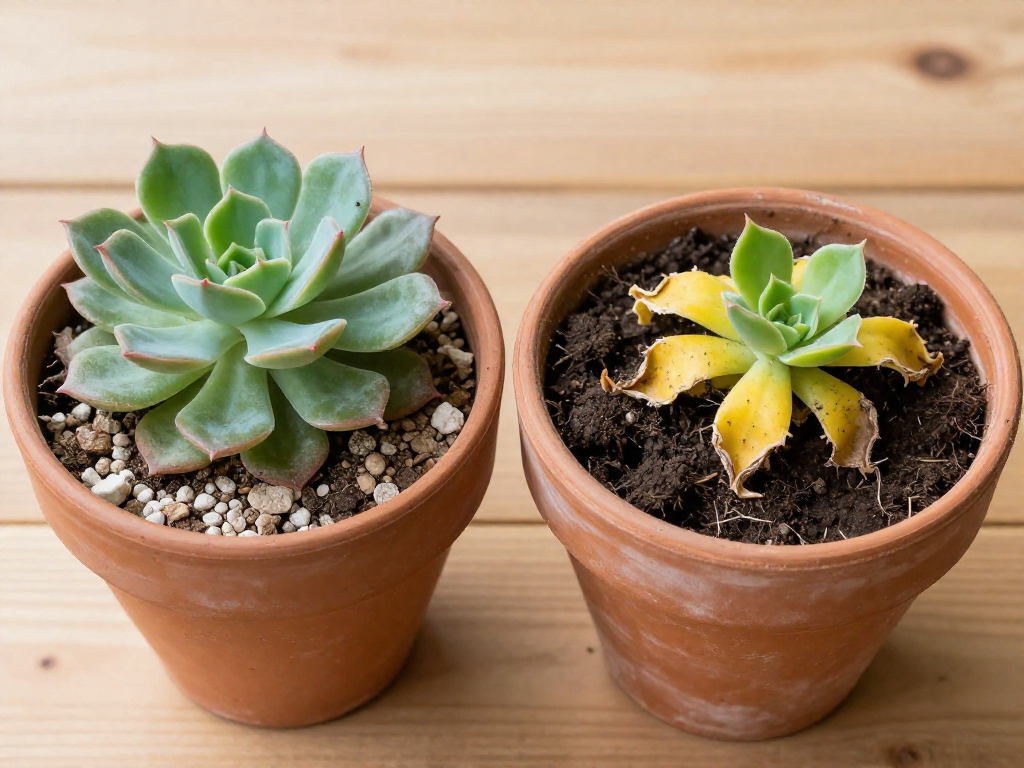
Why Succulents Need Special Soil
Succulents are nature’s little survivalists, native to arid regions where rainfall is scarce and the soil dries out quickly. Over time, they've evolved to store water in their fleshy leaves, stems, and roots, allowing them to go weeks without a drink. This adaptation is exactly why they struggle in typical gardening mixes.
Regular potting soil is designed to hold onto moisture—great for thirsty ferns and tropicals, but a danger zone for succulents. When their roots sit in damp, compacted soil, they can't access the oxygen they need, and fungal diseases like root rot easily take hold. On a balcony, where containers can heat up and dry unevenly, this risk is even greater.
The secret to happy container succulents lies in a gritty, fast-draining blend that mimics their natural rocky or sandy habitats. A well-aerated mix lets water flow through quickly while giving roots the structure they need to breathe. Once you understand this simple shift, you’ll see healthier plants and far fewer watering worries.
Key Characteristics of Succulent Soil
Succulent soil is worlds apart from typical potting mix. While houseplants often crave moisture-retentive soil, succulents thrive in a blend that mimics their native arid environments. Understanding a few key traits will help you spot—or create—the perfect mix for your balcony containers.
Fast drainage is non-negotiable. When you water, it should flow through quickly and exit the pot's drainage holes without pooling on top. Slow-draining soil keeps roots wet for too long, inviting rot. A simple test: after watering, the surface shouldn't stay soggy for more than a few seconds.
A gritty texture creates life-saving air pockets. Look for visible particles like coarse sand, perlite, pumice, or crushed granite. These gritty bits prevent the mix from compacting over time, keeping oxygen flowing to the roots. Without these spaces, roots suffocate and decay—even if you water perfectly.
Low organic content is a feature, not a flaw. Regular potting soil often relies on peat or compost to hold moisture, but succulents hate wet feet. A good succulent mix uses mineral ingredients (like pumice or lava rock) as the backbone, with just a small amount of organic matter. This lean structure dries out swiftly, mimicking a desert crust after a rare rain.
Aim for a slightly acidic pH around 6.0. While succulents aren't overly fussy, a pH close to neutral helps them absorb nutrients efficiently. Most commercial succulent mixes are already in this range. If you're mixing your own, a pinch of horticultural sand or fine grit keeps things balanced without the acidity of peat-heavy blends.
By keeping these four characteristics in mind—fast drainage, gritty texture, low organic content, and a gentle pH—you'll give your balcony succulents the foundation they need to stay plump, colorful, and worry-free.
Best Soil Amendments for DIY Mixes
Standard potting soil alone holds too much moisture for succulents, but you can transform it by mixing in a few key amendments. These additions create the fast-draining, airy structure your balcony succulents need.
Perlite or pumice is your go-to for lightweight drainage. Both are porous volcanic materials that open up the soil, allowing water to flow freely and roots to breathe. Pumice has a slight edge for larger containers since it’s heavier and doesn’t float to the surface as easily as perlite.
Coarse sand or chicken grit adds weight and improves percolation, preventing the mix from compacting over time. Look for sharp, gritty sand—not fine play sand, which can actually clog pores. Chicken grit, sold at feed stores, is an inexpensive, clean alternative that works just as well.
Pine bark fines provide a bit of gentle moisture retention without sogginess. As they break down slowly, they also contribute organic matter that feeds your plants over time. This amendment is especially helpful in hot, windy balcony spots where pots dry out too fast.
A simple, effective recipe to start with: 2 parts standard potting soil, 1 part perlite (or pumice), and 1 part coarse sand (or chicken grit). Mix thoroughly in a bucket or tray before filling your containers. Adjust the grit-to-organic ratio based on your specific conditions—more perlite for very humid climates, a bit more bark if you struggle to water consistently.
Store-Bought vs. DIY Soil: Pros and Cons
Deciding between a bagged mix and your own blend comes down to your budget, time, and how picky your plants are. Both routes can give succulents the fast-draining home they need, but each has trade-offs worth weighing.
Store-bought mixes are a lifesaver when you’re setting up your first few pots. Many garden centers and online retailers carry blends labeled “cactus and succulent mix,” which already combine peat, perlite, and sand or decomposed granite. The biggest advantage is convenience—just open the bag and pot up. These mixes are usually pasteurized, so you’re less likely to bring in pests or weed seeds. However, not all bagged mixes are created equal. Some retain too much moisture, especially if they’re heavy on peat. Before planting, squeeze a handful of moist soil: it should barely clump and fall apart easily. If it feels sticky or dense, stir in extra perlite or pumice (about 1 part amendment to 2 parts mix). A quick label check helps—look for mixes where the first ingredient isn’t peat moss, and avoid those with added “moisture crystals” or slow-release fertilizers that can burn succulent roots.
DIY soil gives you full control. Once you have the base ingredients—typically a mix of potting soil, coarse sand, and perlite or pumice—you can adjust ratios to match your balcony’s light, wind, and container style. Over time, this route saves money, especially if you garden in bulk or reuse materials. The main hurdles are sourcing and storage. Pumice and coarse builder’s sand aren’t always available at corner hardware stores, so a trip to a landscape supplier or online order may be needed. You’ll also need room to store leftover bags. For beginners, the easiest DIY recipe is 2 parts sterile potting mix, 1 part perlite, and 1 part coarse sand (or fine gravel). Mix thoroughly and test drainage before planting: water should stream out of the drainage hole within seconds.
Whichever path you choose, remember that succulents forgive a lot if the soil is airy and dries quickly. No single mix works for every balcony, so don’t be afraid to experiment. If a store-bought bag isn’t draining well, amend it. If your DIY mix ends up too gritty and dries out daily, stir in a little more organic matter. The goal is to match the soil to your routine—a busier gardener might prefer a slightly more water-retentive blend, while a detail-oriented plant parent can go for an ultra-gritty mix. Start with a small batch, observe how your succulents respond, and tweak from there. Your plants will tell you what they need.
Container Choice and Drainage Tips for Balconies
The container you pick works hand-in-hand with your soil to keep succulents healthy on a balcony. Even the best gritty mix can’t save a plant from a pot that traps water, so start with the basics: always choose containers with drainage holes. Without an exit, water collects at the bottom, suffocating roots and inviting rot.
Material matters, too. Terra cotta pots are a favorite for succulents because they’re porous—they wick moisture away from the soil and dry out faster. That’s a real advantage on a balcony where extra airflow can already speed evaporation. Plastic and glazed ceramic pots, on the other hand, hold water longer. They can work wonderfully if you’re worried about soil drying too quickly in a windy or sunny spot, but you’ll need to be extra vigilant about watering frequency.
No matter what pot you use, give it a lift. Set containers on little feet, a few pebbles, or a shallow saucer just big enough to catch overflow without letting the pot sit in standing water. This simple step keeps drainage holes clear and prevents the soil from reabsorbing moisture.
Finally, match the pot size to your balcony’s conditions. Small pots dry out fast under direct sun or steady wind—perfect for a few rosette succulents but demanding more frequent watering. Larger containers hold moisture longer, which can be a blessing in hot, exposed spots or a curse if rain and high humidity are common. On a balcony, observation is your best tool: check the soil feel a day or two after watering and adjust your pot selection or placement as you learn your space’s quirks.
Watering Succulents in the Right Soil
Even the perfect succulent soil won’t work its magic unless you adjust your watering habits to match. The entire point of a gritty, fast-draining mix is to let you water deeply—mimicking a desert downpour—without drowning the roots. The golden rule is the ‘soak and dry’ method. Drench the pot until water runs freely from the drainage hole, then wait. Don’t even think about watering again until the soil is bone dry all the way through. On a sunny balcony, that might take a week; in a shadier spot or during humid spells, it could be two weeks or more.
How do you know when it’s time? Skip the calendar and check the soil. Push your finger an inch or two into the pot—if it feels cool or clings to your skin, hold off. A moisture meter (an inexpensive, no-fuss gadget) can also confirm dryness. Succulents speak when they’re thirsty: leaves may wrinkle, deflate slightly, or lose their plump firmness. Some rosette types will close up a bit. These are your cue to water—not before. Overwatering, on the other hand, shows up as mushy, translucent, or yellowing leaves that may drop with a light touch. Once rot sets in, it’s often too late.
When you pair the right soil with this mindful watering rhythm, you’re giving your succulents exactly what they need: a brief, intense drink followed by a long, airy drying-out period. That’s the secret to firm, colorful, and resilient plants on your balcony.
Seasonal Soil Care and Repotting on a Balcony
Even the best succulent soil loses its mojo over time. Minerals wash away, organic bits break down, and the mix can become compacted, trapping moisture. To keep your balcony succulents thriving, plan on giving them fresh soil every one to two years. This simple practice restores drainage, adds nutrients, and gives you a chance to check root health.
Repotting is easiest in spring or early fall—times when succulents are actively growing but temperatures aren’t extreme. On a balcony, avoid repotting during blistering summer heat or the chilly dormancy of winter, as the shock can stall recovery. When you’re ready, gently slide the plant from its pot and shake off old soil. Inspect the roots: trim any that are black, mushy, or bone-dry. If the plant has outgrown its home, move it up just one pot size to prevent the soil from staying soggy. Fill in with your trusted gritty mix, and wait about a week before watering so any tiny root tears can callous over.
In years when you don’t fully repot, a top dressing works wonders. Simply remove the top half-inch of old soil and replace it with a fresh layer of your succulent mix. This replenishes lost minerals and keeps the surface from crusting over. If you notice your succulents’ growth slowing or leaves losing their sheen, a quick top dress can often wake them right up.
Balconies bring special seasonal challenges. Rainy spells can spell disaster for succulents left exposed. If your balcony lacks a solid roof, scoot pots under an eave, a shelf overhang, or even group them in a covered corner until the wet weather passes. Alternatively, use an extra-porous soil with little to no fine particles—this lets water zip through before roots can soak too long. Just remember: no matter how well-draining the mix, a pot sitting in a saucer full of rainwater will still drown.
By syncing your soil care with the seasons, you’ll keep your succulent collection healthy and stress-free. Watch your plants for cues—a top-heavy specimen or one that dries out the day after watering may be begging for a bigger pot. With a little attention each spring or fall, your tiny balcony can remain a vibrant, low-maintenance retreat all year long.
FAQ
Can I use regular potting soil for succulents?
Regular potting soil holds too much moisture for succulents, increasing the risk of root rot. It's best to use a fast-draining mix specifically designed for cacti and succulents, or amend regular potting soil with perlite or pumice.
What is the best soil mix ratio for succulents in containers?
A good starting ratio is two parts potting mix to one part coarse sand or perlite. You can adjust to make the mix even grittier if your balcony is humid or your containers lack drainage.
How often should I water succulents in gritty soil?
Water only when the soil feels completely dry an inch down, then soak thoroughly until water drains out. In gritty soil, this might be every 1-2 weeks in summer and less often in winter, depending on sun exposure.
Do I need fertilizer if I use a succulent soil mix?
Succulent soil mixes often have minimal nutrients, so occasional feeding can help. Use a balanced, water-soluble fertilizer diluted to half strength once a month during the growing season, but avoid overfeeding.
Why are my succulent leaves falling off even with the right soil?
Leaf drop can result from overwatering, even with good soil, so check that the pot drains well and you're not watering too often. Also, sudden temperature changes, pests, or insufficient light can cause leaves to fall, so assess your balcony conditions.