Repurpose an Old Ladder into a Rustic Plant Stand
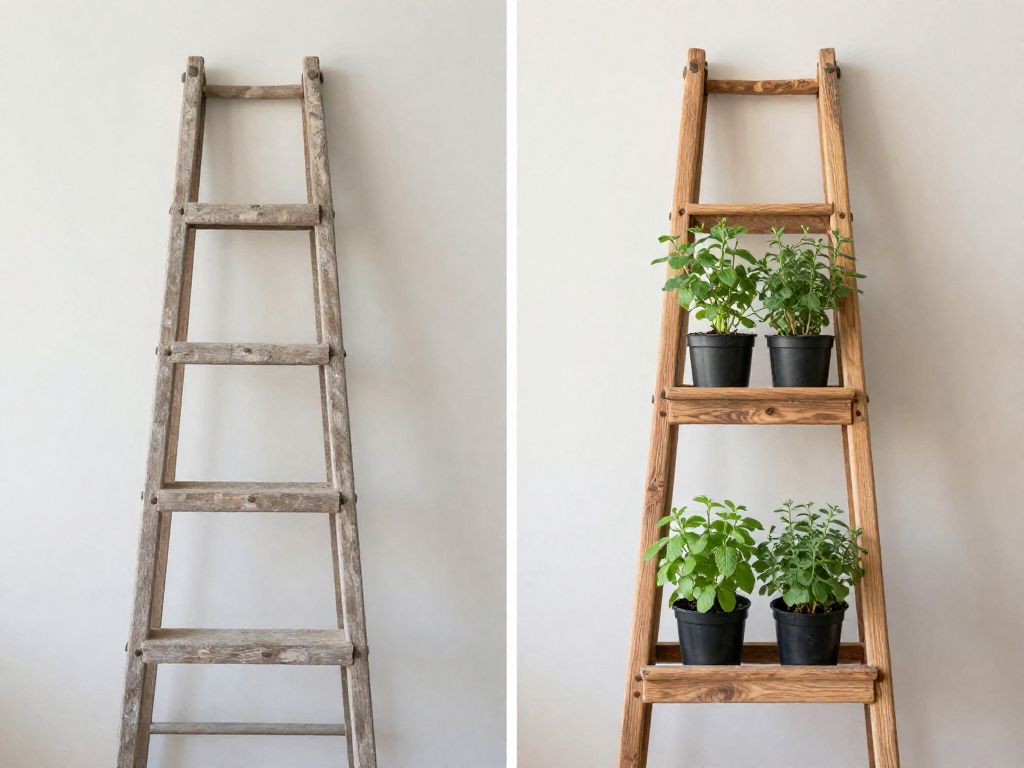
Learn how to turn a forgotten wooden ladder into a space-saving, rustic plant stand that elevates your balcony garden. Perfect for renters and DIY newbies, this upcycling project adds vertical charm and practicality.
Choosing the Right Ladder for Your Balcony
A repurposed ladder can become a charming focal point for your balcony garden, but not every old ladder is up to the job. Before you start hunting at flea markets or in the back of the garage, here’s what to look for to make sure your ladder is safe, functional, and fits your space.
Start with a thorough inspection. Solid wood is your best bet—look for ladders with wide, flat rungs that can hold pots securely. Check every joint and rung for cracks, rot, or wobbles. Even a small crack can worsen outdoors, so trust your gut if something seems off. A little surface wear is fine (it adds to the rustic look!), but the structure must be sound.
Next, measure your balcony carefully. Most apartment balconies are compact, so an A‑frame stepladder or a straight ladder that’s under 6 feet tall will usually fit without overwhelming the space. Consider where you’ll place it—against a wall, in a corner, or as a room divider—and leave enough clearance to walk around it comfortably. If your ladder is too bulky, it will make the balcony feel cramped rather than cozy.
Weight matters, too. You’ll need to move the ladder when you rearrange plants or clean, so lighter woods like pine are easier to handle than heavy hardwoods. That said, if you find a sturdy oak beauty that stays put in one spot, the extra weight is manageable. Just think about your own comfort and whether you can shift it without help.
Finally, always test the ladder’s weight capacity before you commit. Think about how many potted plants you plan to display, plus the weight of soil and water. A good rule of thumb: load the ladder with some heavy items (like a few full watering cans) and check for bowing or creaking. If it feels solid with more weight than you’ll actually use, you’re in good shape. Safety first, especially on a balcony where wind can add extra stress.
With a little patience, you’ll find a ladder that’s both a safe plant stand and a statement piece for your outdoor retreat.
Preparing and Weatherproofing the Ladder
Once you’ve chosen the perfect ladder for your balcony, giving it a little TLC before it becomes a plant stand ensures it will withstand sun, rain, and humidity. Start by scrubbing every inch with a mild dish soap and water solution. A soft-bristle brush works wonders on crevices where dirt and grime hide. Rinse thoroughly and let the ladder dry completely in full sun—this also helps kill any lingering mold spores.
Next, grab a sheet of medium-grit sandpaper (120-grit works well) and smooth all surfaces. Focus on areas that feel rough to the touch, as well as any spots where the old paint or varnish is peeling. Sanding not only banishes splinters but also gives the new finish a better grip. Always sand in the direction of the wood grain to avoid scratches. After sanding, wipe away the dust with a tack cloth or a damp rag, and let it dry again.
Now it’s time to protect your ladder from the elements. Choose an exterior wood sealant or a high-quality outdoor paint rated for moisture and UV resistance. If you love the natural wood grain, a clear waterproofing sealer lets the character shine through while forming an invisible barrier. For a pop of color, use an exterior latex or oil-based paint. Apply thin, even coats with a brush or foam roller, and allow each coat to dry according to the manufacturer’s instructions. Two coats usually do the trick.
If you’re aiming for a rustic, timeworn look, you have a couple of charming options. To preserve the natural aged patina, simply apply a clear matte sealer over the existing weathered finish—this locks in the character without changing the color. Alternatively, you can create a distressed paint effect: after painting a solid color, lightly sand the edges and high points to reveal hints of the wood or a different base color peeking through. It adds instant cottage-garden charm. Whatever finish you choose, let the ladder cure thoroughly in a well-ventilated spot before loading it with plants. A weekend of patience now means your ladder will grace your balcony with beauty for many seasons to come.
Stabilizing the Ladder for Safe Plant Display
To keep your plant stand steady—even on breezy days—start by choosing a level spot. If your balcony floor has slight unevenness, tuck thin rubber shims under the feet to eliminate wobble. Next, fasten the ladder’s top securely to a railing or wall using adjustable straps or zip ties; these are easy to remove without leaving marks. Slip non-slip rubber caps onto the base of each leg; they provide grip, protect your floor from scratches, and are discreet. When loading plants, place the heaviest pots on the lowest rungs and reserve the top for lighter, smaller containers. This simple weight distribution keeps the center of gravity low and makes the whole display feel solid.
Arranging Plants and Styling Your Ladder Stand
Once your ladder is stable and ready, the fun begins. Think of each rung as a mini stage, and with a little planning you can create a lush, layered display that feels both curated and effortless.
Start by choosing a blend of plant shapes and habits. Upright growers like snake plants or small dracaenas add height and structure. Tuck trailing plants—pothos, string of pearls, or creeping Jenny—near the edges of higher rungs so their vines can cascade down. Mounding plants such as ferns, polka dot plants, or compact calatheas soften the lines and fill in the middle ground. This mix of forms mimics nature and brings depth even to a tiny balcony.
Pots matter both for safety and style. Stick to 4–6 inch containers that sit squarely on the rungs without tipping or overhang. Terra cotta, galvanized metal, or painted ceramic all work beautifully and can unify your color scheme. If a rung is narrow, consider using pot clips or adhesive bumpers to keep containers from sliding.
Now for the magic touch. Drape battery-operated fairy lights around the ladder rails or weave them through the rungs for a twinkling evening glow. Tiny lanterns, wind chimes, or macramé charms hanging from the top corners add personality and catch the breeze. For an extra cozy vibe, place a small flameless candle in a glass holder on one of the wider steps.
Remember that balcony light isn’t always even. Give every plant its fair share by rotating pots once a week. This simple habit prevents leaning and keeps growth balanced. If your ladder faces a wall, swap the front and back rows occasionally so nothing gets left in permanent shadow.
Styling is never really finished. Swap in seasonal blooms, refresh trailing stems, or rearrange the layout whenever the mood strikes. Your ladder stand is a living piece of art that grows with you—and on a small balcony, that kind of adaptable beauty is everything.
Creative Variations and Personal Twists
Personalizing your ladder plant stand is where the fun really begins. A few simple tweaks can transform it from a basic structure into a statement piece that reflects your style and meets your gardening needs.
One of the easiest ways to give your ladder a custom look is with paint. A bold accent color—think sunny yellow, deep teal, or vibrant coral—can instantly tie it into your balcony’s existing décor. Use outdoor-rated spray paint or brush-on paint, and don’t forget to prime first if your ladder is raw wood. If you prefer a subtler touch, try a soft pastel or a weathered, distressed look by lightly sanding after painting.
For added function, screw small hooks into the sides of the ladder. These are perfect for hanging lightweight tools like trowels and gloves, or for displaying trailing plants in small pots that drape gracefully down the sides. Cup hooks or decorative hooks from the hardware store work well, and they won’t take up precious floor space.
If you need more surface area for larger pots or decorative items, lay a reclaimed wood board across two rungs to create a wider shelf. Make sure the board is sturdy and cut to size, then secure it with screws or heavy-duty brackets if needed. This is a great spot for a grouping of succulents, a small herb collection, or even a lantern for evening ambiance.
Speaking of herbs, you can turn the ladder into a compact herb garden right outside your kitchen window. Choose a sunny spot, and arrange pots of basil, rosemary, thyme, and mint on the steps. Label them with charming plant markers, and you’ll have fresh flavors just an arm’s reach away. With taller herbs on the top rung and trailing ones on the sides, it’s both practical and beautiful.
Feel free to mix and match these ideas—there’s no wrong way to make your ladder stand unique. Whether you go bold with color, add handy hooks, or craft a custom shelf, your balcony garden will gain character and functionality in equal measure.
FAQ
Can I use a metal ladder instead of wood?
Yes, a metal ladder works beautifully. Choose one that’s rust-resistant or give it a protective coat of paint. Keep in mind metal can heat up in direct sun, so use saucers and avoid heat-sensitive plants on hot balconies.
How many plants can a typical ladder stand hold?
A standard 6-foot ladder with 4–5 rungs comfortably displays 4–8 small-to-medium pots. Plan for one or two lightweight pots per rung, leaving breathing room so each plant receives enough light and air circulation.
Is a ladder plant stand safe on a windy balcony?
It can be safe with simple precautions. Place heavier pots on lower rungs, and consider securing the ladder to a wall or railing. During strong gusts, move lightweight or top-heavy plants indoors until conditions calm.
Do I need to anchor the ladder to the wall or railing?
Anchoring is highly recommended for safety, especially on breezy balconies or in homes with kids or pets. Use sturdy L-brackets, hook-and-eye closures, or weatherproof straps to fasten the top of the ladder securely without damaging walls.
What are the best plants for a ladder display?
Trailing plants like pothos, string of pearls, and ivy soften the structure, while compact herbs such as basil, thyme, and rosemary thrive in sunny spots. Mix textures and choose varieties that match your balcony’s light conditions for a lush, low-maintenance look.