How to Carry Groceries and Bags Safely on a Scooter
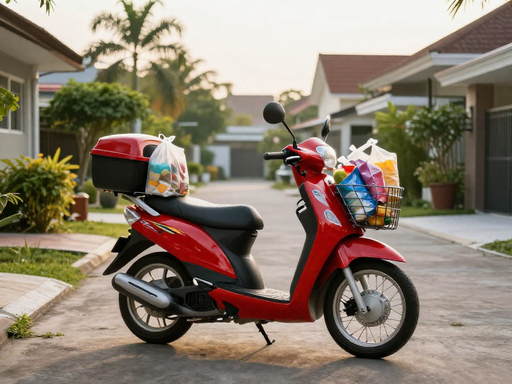
A relatable scenario of a rider struggling with flimsy plastic bags on a scooter, highlighting the risks and convenience of a proper system.
Assess Your Scooter's Load Capacity and Storage Options
Before you strap on a bag of groceries, take a moment to understand what your scooter can safely carry. Start by flipping through the owner’s manual for the maximum load weight—this includes you, a passenger, and any cargo. Exceeding this limit can affect braking and stability, especially on Malaysia’s uneven roads or during sudden monsoon downpours.
Next, explore the storage your scooter already offers. Most models come with an underseat compartment that can swallow a medium-sized helmet or a couple of shopping bags. Some also have a lockable glovebox for smaller items like your wallet, touch-and-go card, or a raincoat. Use these spaces first to keep your centre of gravity low and the ride balanced.
If you regularly carry more, consider aftermarket additions. A sturdy top box mounted on the rear rack is a popular choice among Malaysian commuters—it keeps groceries dry and secure without crowding the footboard. For longer trips, soft saddlebags or side panniers can distribute weight evenly, but make sure they don’t interfere with the exhaust pipe or swing arm. Always choose accessories rated for your scooter’s weight class and check that they don’t block your rear lights or license plate, as that can draw unwanted attention from JPJ officers.
Essential Accessories for Scooter Grocery Hauling
A few simple accessories can transform your scooter into a capable grocery getter, keeping bags secure and hands free. Here are the essentials that are both affordable and widely available at local shops or online.
Start with a sturdy grocery hook mounted near the footboard or under the seat. A rubberised J‑hook or a locking carabiner gives you a quick, reliable anchor for plastic bags. It keeps them from swinging into your legs or touching the hot exhaust on short trips.
For larger or multiple items, an expandable cargo net is a game‑changer. Stretch it over the rear seat or rack, and it holds everything from bulky vegetable bundles to a week’s worth of dry goods. The elastic mesh conforms to odd shapes and prevents lighter items from flying off when you pick up speed.
When you need to carry a box or an unusually shaped load, adjustable bungee cords or cam‑buckle straps provide extra tension and security. Crisscross two cords over the object and hook them to sturdy points on the scooter frame. Just double‑check that nothing dangles loose or obstructs the wheels, lights, or suspension.
Sudden tropical rain can ruin bread, electronics, and paper packaging. A pack of reusable waterproof bag liners or a fold‑away dry sack slides easily into your shopping bag before the ride. Some riders keep a compact rain cover fitted over their rear rack so they can quickly pull it over the entire load if the weather turns.
You don’t need to spend much—these accessories cost less than a single damaged purchase or a fine for unsecured cargo. Mix and match them to suit your typical grocery run, and always give the load a firm shake before taking off. A few seconds of preparation makes all the difference between a smooth ride home and a roadside scramble.
Step-by-Step Loading and Securing Techniques
Once you’ve planned your trip and have the right accessories, packing your groceries securely becomes a straightforward routine. Start by opening your seat and arranging the items directly into the underseat compartment. Place the heaviest things — like canned goods, bottles, or a watermelon — flat on the bottom and as close to the centre of the scooter as possible. This keeps the weight low, which helps maintain stability and steering feel.
If you’re using the bag hook built into your scooter, hang only one bag at a time. Never double‑hook multiple bags on the same hook, as links between bags can slip and dangle into the wheel. When your scooter has hooks on both sides of the legshield, balance the load: one bag on the left, one on the right. Even if the bags aren’t the exact same weight, the symmetry prevents pulling the handlebar to one side.
A cargo net is your best friend for odd‑shaped loads on the rear rack or pillion seat. After placing your groceries, stretch the net evenly over them. Attach the lower hooks to solid anchor points under the rack or seat edges first, then pull the net forward and hook the top points. Check that no hook is hanging loose where it could snag on the suspension or tyre. Give the load a gentle shake — if anything shifts, adjust the net hooks or re‑position the items.
As a final safety check, make sure nothing is hanging or swinging from the handlebar or legshield. A packet of curry puffs dangling by a plastic string can easily get caught in the front wheel and cause a tumble. Tuck all loose straps, long bag handles, and helmet bags away so they can’t reach any moving parts. With a few moments of attention before you ride, you’ll arrive home with your groceries undamaged and your scooter unscathed.
Riding Safely with a Loaded Scooter
When your scooter is loaded with groceries or bags, the extra weight and shifted center of gravity change how it handles. Before heading into traffic, find an empty parking lot or quiet road to get used to the new feel. Start by riding slowly and gently applying the brakes; this helps you understand how the scooter responds. Take wider turns than usual—the cargo can make the scooter lean differently, so a more gradual arc keeps everything stable. Remember that your braking distance increases with extra weight. Squeeze the brakes earlier and more progressively to avoid sudden stops. Avoid sharp swerves or quick lane changes, as these could shift the load and throw you off balance. Always be smooth with your throttle and steering inputs, and keep an eye out for potholes or bumpy road surfaces common in Malaysian neighborhoods. With a little practice, you will build confidence and ensure a safe ride home.
Local Tips: Weather and Road Conditions in Malaysia
Malaysia’s tropical climate and varied road surfaces pose unique challenges for scooter riders carrying groceries. The intense sun can spoil perishables quickly, while sudden rain and bumpy roads demand extra preparation. Here’s how to adapt your hauling strategy to stay safe and keep your goods secure.
- Protect perishables from the heat. Dairy, meat, and fresh produce deteriorate fast under the midday sun. Use an insulated bag or a simple cooler pouch to maintain a safe temperature, especially if your journey takes longer than 15 minutes. Some riders even freeze a small gel pack to slip among chilled items.
- Secure your load for rough roads. Malaysian routes often feature potholes, uneven patches, and speed bumps. Straps and bungee cords must be snug enough to prevent any movement; even a slight shift can affect your balance. After loading, give each item a firm shake to double-check that nothing will budge when you hit a bump.
- Scan for low-hanging hazards. On kampung or residential roads, overhanging branches, awnings, and utility cables can snag tall or loosely packed items. Choose a route with fewer obstructions if possible, and ride further from the kerb where these hazards are common. If you do hear a scrape, pull over safely to readjust.
- Plan for sudden rain. A typical afternoon thunderstorm can soak your shopping in seconds. Invest in a waterproof scooter cover or purpose-made bag liners. As a budget-friendly measure, line your storage compartment with a large plastic bag before packing groceries, and tie off the top. Keep a compact rain cover under your seat so you’re never caught unprepared.
By factoring in the fierce sun, frequent rain, and uneven roads, you’ll ensure your groceries arrive fresh and your ride stays safe—no matter what Malaysian conditions throw at you.
FAQ
Can I use a backpack instead of hooks?
Yes, a backpack works well for light items, but for heavy groceries it can strain your back and affect balance. Choose a fitted backpack with chest and waist straps, and avoid overloading to keep control of your scooter.
What is the maximum weight I can carry on a scooter?
Check your owner’s manual for the maximum load rating, which includes rider, passenger, and cargo. For typical Malaysian scooters, this is often around 150–200 kg; exceeding it compromises braking and handling.
Is it legal to hang bags on the handlebars?
Hanging heavy bags on the handlebars is risky and could be deemed careless driving under Malaysian traffic regulations. It’s safer and more lawful to use the underseat hook or a rear rack.
How do I keep my groceries from falling off on a bumpy road?
Secure items with scooter cargo nets or bungee cords to a rear rack or footboard. Place heavy goods at the bottom, keep bags upright, and check that nothing dangles to avoid snagging or shifting on bumps.
Are there any accessories that replace the need for a car?
A large top box, combined with underseat storage and a front hook, can handle most daily errands. For bigger loads, side panniers or a legal cargo trailer help, but they don’t fully substitute a car for very bulky hauls.