Riding in a Group With Friends Without Losing Each Other
Group rides are exhilarating, but nothing kills the vibe faster than losing a friend at a traffic light. Whether you're cruising on kapchais or maxi-scooters through KL traffic or enjoying a weekend kampung ride, staying together takes more than just riding skill. Let's break down simple, effective ways to keep your convoy intact and your friendships stronger.
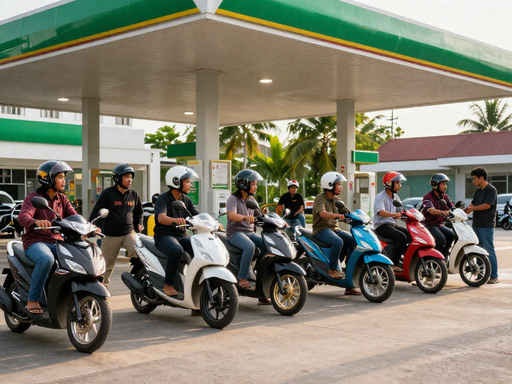
Pre-Ride Planning: Set the Ground Rules
A few minutes of planning before you set off can make the difference between a stress-free group ride and a disjointed scramble. Start by getting everyone on the same digital page—share the full route and scheduled pit stops through a WhatsApp group or a shared Google Maps link. This way, even if someone gets separated, they won’t be completely lost.
Next, assign clear roles. Choose a lead rider who knows the roads well and can set a consistent pace. At the back, a sweep rider—patient and experienced—keeps an eye on the whole group and handles any issues without leaving anyone stranded.
Agree on a comfortable riding speed that suits the least experienced member, and decide on a formation that matches the terrain. On open highways a staggered pattern gives you space, while single file works better through traffic or twisty kampung roads.
Finally, run through the basic hand signals. Cover turns, slowing down, and emergency stops, but also adapt them for common Malaysian quirks—like pointing out potholes, gravel patches, or stray animals on the verge. A quick briefing now prevents confusion later.
Riding Formation: Keep It Tight but Safe
Sticking together as a group isn’t just about speed—it’s about how you position your bikes so everyone can see, react, and still enjoy the ride. In Malaysia, where roads range from six-lane highways to narrow kampung lanes, the right formation makes all the difference.
On straight, open roads, use a staggered formation. The lead rider takes the right side of the lane, the second bike stays on the left and follows at least two seconds behind, and the pattern alternates back. This gives each rider a clear view ahead and plenty of room to brake or swerve if a pothole or stray dog appears.
In heavy urban traffic—think Jammed KL peak hours—switch to single file. This allows the group to filter through gridlock safely. Keep a steady 1.5- to 2-bike length gap so you can react without bunching up. Tap your brake light early to signal slowdowns to the rider behind.
On twisty B-roads or narrow village routes, single file is non-negotiable. The lead rider should ease off the throttle before blind corners so the pack can close up naturally. Never be tempted to ride side-by-side except when you’re both stopped at a traffic light; even a slight wobble can knock a friend off balance and cause a spill.
Remember: the formation serves the group, not the other way around. Adjust as conditions change, and always check your mirrors to make sure the rider behind is still with you.
Communication on the Road Without Intercoms
Not everyone has the luxury of Bluetooth intercoms, but that doesn’t mean group rides have to be chaotic. With a few simple, low-tech methods, you can keep everyone connected and safe on Malaysian roads.
Hand signals are your most reliable tool. Agree on a set before you ride: a horizontal left or right arm for turns, a hand waving downward for slowing down, a fist with thumb pointing toward your tank for a fuel stop, and a pat on top of your helmet to signal you’re lost or need the group to pull over. Practice these at the meet-up so everyone’s on the same page.
Your horn can also do more than just warn. Two short, friendly beeps can grab attention or say “thank you,” while three quick blasts signal an emergency or immediate hazard. Use these sparingly and only where it’s safe—constant honking just adds noise and confusion.
A smart formation tweak is to place the least experienced rider directly behind the leader. This gives them a clear reference to follow, and the rest of the group can adjust to keep an eye on them. It’s an easy way to communicate pace and line without a single word.
If a few riders do have intercoms, designate one person to relay key instructions—like directional changes or upcoming hazards—while keeping casual chatter to a minimum. This prevents audio clutter and keeps the channel clear for important updates.
Leverage Tech: Smartphone Apps and GPS Trackers
For Malaysian riders, your smartphone is often the most powerful—and affordable—tool to keep your group together on the road. Instead of investing in costly dedicated GPS trackers, you can rely on apps that most of us already have. Start with real-time location sharing on WhatsApp: before you set off, create a group chat and have everyone share their live location for the duration of the ride. It’s simple, free, and works reliably as long as you have a decent data connection, which is widely available across Peninsular Malaysia and East Malaysia.
If you want more ride-specific features, explore dedicated apps like REVER or Calimoto. These platforms allow you to see all riders on a shared map, plan routes with twisty roads, and even log your trip statistics. Check their coverage for Malaysian roads—some offer good detail in urban areas and popular riding routes like Karak Highway or Genting Sempah. Another free trick is to set up a Google Maps meetup point. Drop a pin at a prominent landmark—like a petrol station or R&R—and share the link in your group chat. That way, if anyone gets separated, they know exactly where to regroup without playing guessing games.
For longer journeys, consider sharing live locations continuously via Google Maps or, for iPhone users, the Find My app. This provides a real-time overview of the whole group's positions. Just make sure every rider starts with a full phone battery and carries a powerbank. A drained phone mid‑ride is as bad as losing the group. With these simple tech solutions—all in your pocket—you can stay coordinated, reduce stress, and focus on enjoying the ride together.
Navigating Intersections and City Hazards
Intersections are where groups are most likely to split. At traffic lights, the lead rider should never accelerate through an amber if the sweep is still behind. Instead, pull over safely after the junction and wait for the sweep to confirm everyone is through. If the light changes, the sweep will lead the separated riders to the next meeting point.
When approaching a turn, signal early and slow down gradually. This lets the group close up and prevents riders from being cut off. The sweep should guard the group’s flank to stop impatient drivers from barging into the formation mid-turn.
City hazards demand constant awareness. Buses stop suddenly, potholes lurk after rain, and tropical downpours slash visibility. Use head gestures or a leg signal to point out dangers, passing the message back through the pack. If you get separated at a light, stay calm. Turn on your hazard lights, pull over when safe, and message the group through your agreed WhatsApp chat. Head straight to the pre-planned regroup spot instead of trying to chase the pack.
A cool head and a clear plan keep the ride together, even in the busiest traffic.
What to Do When Someone Gets Lost
Despite the best planning, riders sometimes get separated at traffic lights, junctions, or when the group stretches out. Having a calm, pre-agreed procedure prevents panic and keeps everyone safe.
Plan regroup stops during your pre-ride briefing. In Malaysia, large Petronas stations, R&R areas, or well-known landmarks every 15 to 20 km work perfectly. Everyone should have these pinned on their navigation app, so if they lose sight of the group, they know exactly where to ride next.
If you realise you’re lost, pull over in a safe spot—never speed or ride recklessly to catch up. Take a deep breath, open WhatsApp, and share your live location with the group. Then wait. Trying to chase the pack only creates more risk, especially on busy highways.
For the rest of the group, the lead rider should slow the pace or stop at the next planned regroup point as soon as someone is missing. The sweep rider can assess whether it’s safe and practical to double back and guide the lost rider to the group. In heavy traffic or at night, it’s often wiser for everyone to wait together.
A buddy system adds another layer of security. Pair up and commit to keeping an eye on your partner throughout the ride. This way, no one rides alone, and the group notices faster if a pair doesn’t arrive. The buddy approach is particularly useful for night rides or when exploring unfamiliar kampung roads.
Group Riding Etiquette and Safety Musts
Group rides thrive on mutual respect—it’s what keeps everyone safe and together. Start by setting a consistent pace. Avoid sudden bursts of speed or overtaking within the group; instead, match the rhythm of the riders around you. This predictability helps the group stay tight without needing constant radio chatter.
If you feel tired, need fuel, or face an emergency, don’t hesitate to stop—but do it mindfully. Signal early and pull over at a spot where the whole convoy can safely wait, like a wide shoulder or a rest area. Let the ride leader or sweeper know, so no one wonders where you went.
Respect every rider’s comfort level, especially on unfamiliar or twisty roads. New riders or those on smaller-capacity bikes might struggle to keep up if the pace is too hot. Place them in the middle of the formation where they can follow without pressure. If needed, adjust the route or split into faster and slower groups—nobody should risk a mishap just to stay with the pack.
Finally, gear up properly. A group ride isn’t an excuse to skip safety for style. At minimum, wear a certified helmet, a sturdy jacket, and covered shoes. Malaysian weather can be unpredictable, but a lightweight riding jacket with armor beats road rash. When everyone looks out for each other, the ride becomes a shared story, not a series of close calls.
FAQ
What's the best formation for a group ride with scooters and kapchais?
A staggered formation works best, with riders offset in pairs within a single lane to maintain visibility and safe following distance. Keep slower kapchais and scooters on the left side of the lane and allow more experienced riders to lead. This minimizes the risk of collisions and helps the group navigate Malaysian roads cohesively.
How do I keep the group together without high-end intercoms?
Use simple hand signals and pre-arranged horn cues for turns and hazards, and designate an experienced sweep rider at the back with a distinctive marker. Plan clear regrouping stops at landmarks like petrol stations, and share a basic route guide or map image in a group chat before the ride.
What should I do if I'm separated from my group at a traffic light in KL?
Safely continue straight and pull over at the next convenient spot to message the group via WhatsApp or call the ride leader. Avoid risky maneuvers like sudden lane splitting; instead, rely on a pre-agreed meeting point or share your live location so they can wait or circle back for you.
Can I use my phone for navigation without draining the battery?
Yes, mount your phone with a vibration-dampening holder and connect it to a USB charger or power bank to keep it charged on the go. Download offline maps for your route in advance, reduce screen brightness, and close background apps to minimize battery drain.
How many riders are too many for a safe group ride in Malaysian cities?
For urban settings like KL, keep group sizes to about five to eight riders to stay manageable in traffic and at junctions. If you have more, split into smaller pods, each with its own lead and sweep rider, to reduce congestion and confusion at traffic lights.